 Medical Xpress – 10 Jun 26
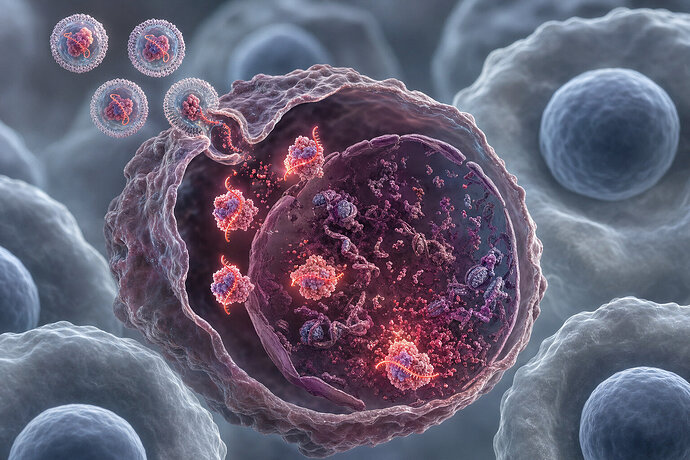
CRISPR enzyme precisely detects and shreds DNA in cancer mutations once...
In 2020, Jennifer Doudna won the Nobel Prize in chemistry for her work on the CRISPR-Cas9 gene-editing technology that allows scientists to precisely modify DNA by cutting it at specific locations. Six years later, a new study in Nature by a team led...
[!quote]+
2020 年,珍妮弗-杜德娜(Jennifer Doudna)因研究 CRISPR-Cas9 基因编辑技术而获得诺贝尔化学奖,该技术允许科学家通过在特定位置切割 DNA 来精确修改 DNA。六年后,杜德娜领导的团队在《自然》杂志上发表的一项新研究发现了一种强大的新方法,可以利用一种名为 Cas12a2 的 CRISPR 酶选择性地杀死癌细胞。
一旦这种酶检测到癌症特异性基因特征,它就会开始切碎目标细胞内的染色质–一种由 DNA 和蛋白质组成染色体的混合物。
许多癌症都是由肿瘤抑制蛋白(如 TP53)的突变引起的。然而,这些突变一直难以治疗,因为它们缺乏传统药物可以抓住的结合口袋。因此,许多致癌突变长期以来一直被认为是无法治疗的。
有了这种新方法,现在就能精确锁定并消除这些无法治愈的致病突变,因为它并不依赖于附着在突变蛋白质上。相反,一旦检测到与癌症有关的特征,它就会开始疯狂破坏 DNA。
癌细胞具有正常细胞所缺乏的独特蛋白质特征,因此很容易被识别和靶向治疗。TP53,即转录因子 p53,是癌症中最常见的突变基因之一,出现在高达 90% 的卵巢和胰腺肿瘤中。这种突变通常出现在早期,并持续存在于肿瘤的整个生长期,因此是一个极具吸引力的治疗靶点。然而,这种蛋白质很难被药物靶向。
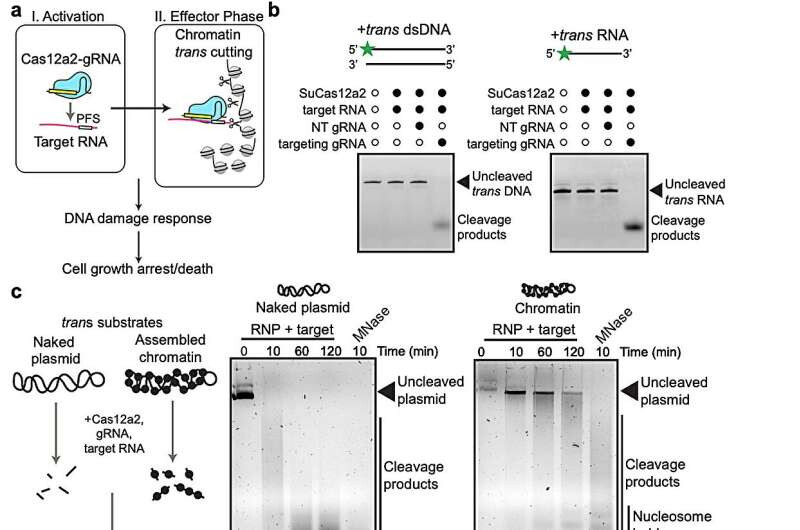
在这项新研究中,研究小组将细菌防御系统变成了精确杀癌工具。他们选择了 Cas12a2 酶,并用引导 RNA 对其进行编程,以识别癌症特异性特征,包括 p53 和表皮生长因子受体的常见突变,以及 MYC 等致癌基因的异常高水平。
 CRISPR Medicine
News: CRISPR-Cas12a2 Targets Mutant Cancer Transcripts for Selective Cell...
A new CRISPR-based strategy turns cancer cells' own mutant transcripts against them, opening a potential route to one of oncology's most stubborn unsolved problems: the targeting of mutant p53. Rather than attempting to fix or restore the defective...
2 个帖子 - 2 位参与者