 Neuroscience News – 21 May 26
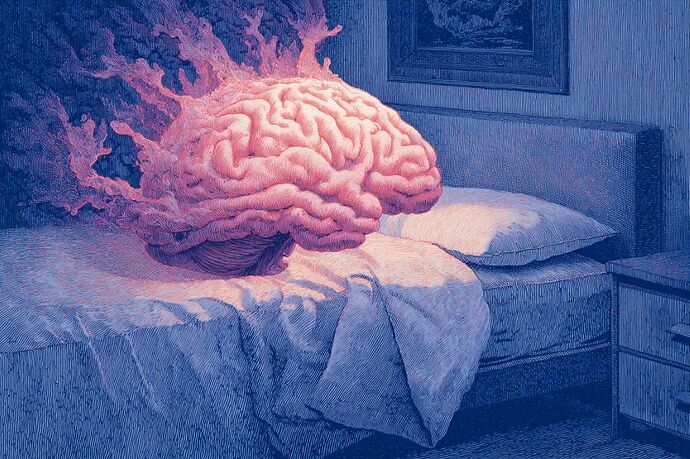
Broken Sleep Rhythms: The Glymphatic Link to Dementia - Neuroscience News
A new study links stress, depression, and aging to dementia via the disruption of glymphatic brain cleaning cycles during sleep.
Est. reading time: 6 minutes
[!quote]+
研究认为,睡眠是一种高度有序的液体传输状态。当睡眠的同步节奏被打乱时,大脑的glymphatic系统就不能有效地排出有毒的淀粉样β蛋白和tau蛋白,从而为认知能力下降铺平道路。
 Medical Xpress – 21 May 26

The brain's night shift: How sleep, waste clearance and dementia may be linked
Why are conditions such as chronic stress, depression, cardiovascular disease, fragmented sleep, and aging all associated with a higher risk of dementia? In a new review piece in Science, University of Rochester Medicine neuroscientist Maiken...
[!quote]+
文章的重点是神经调节剂–去甲肾上腺素、血清素、多巴胺和乙酰胆碱等大脑化学物质,它们能在清醒时调节情绪、注意力、学习和行为。
在非快速眼动睡眠期间,这些系统的表现有所不同,它们会同步产生缓慢、重复的振荡,大约每分钟一次。这些节律与大脑活动、心率、呼吸、血管运动和脑脊液流动的变化有关。
"几十年来,我们主要从记忆和恢复的角度来看待睡眠,"Nedergaard 说。"现在出现的观点是,睡眠也是一种高度有序的液体传输状态,有助于维持大脑健康。
 News-Medical – 13 May 26

Disrupted circadian rhythms may accelerate dementia-related brain inflammation
Alzheimer's disease and other dementias impact approximately 55 million people worldwide, including 7.2 million cases in the United States alone.
1 个帖子 - 1 位参与者